Erlangen, Germany
Petra Dippold-Goetz
‚Art is a daughter of freedom‘ Friedrich Schiller Born near Nuremberg, Germany, Petra Dippold-Goetz grew up in the city of Albrecht Dürer, immersed in...
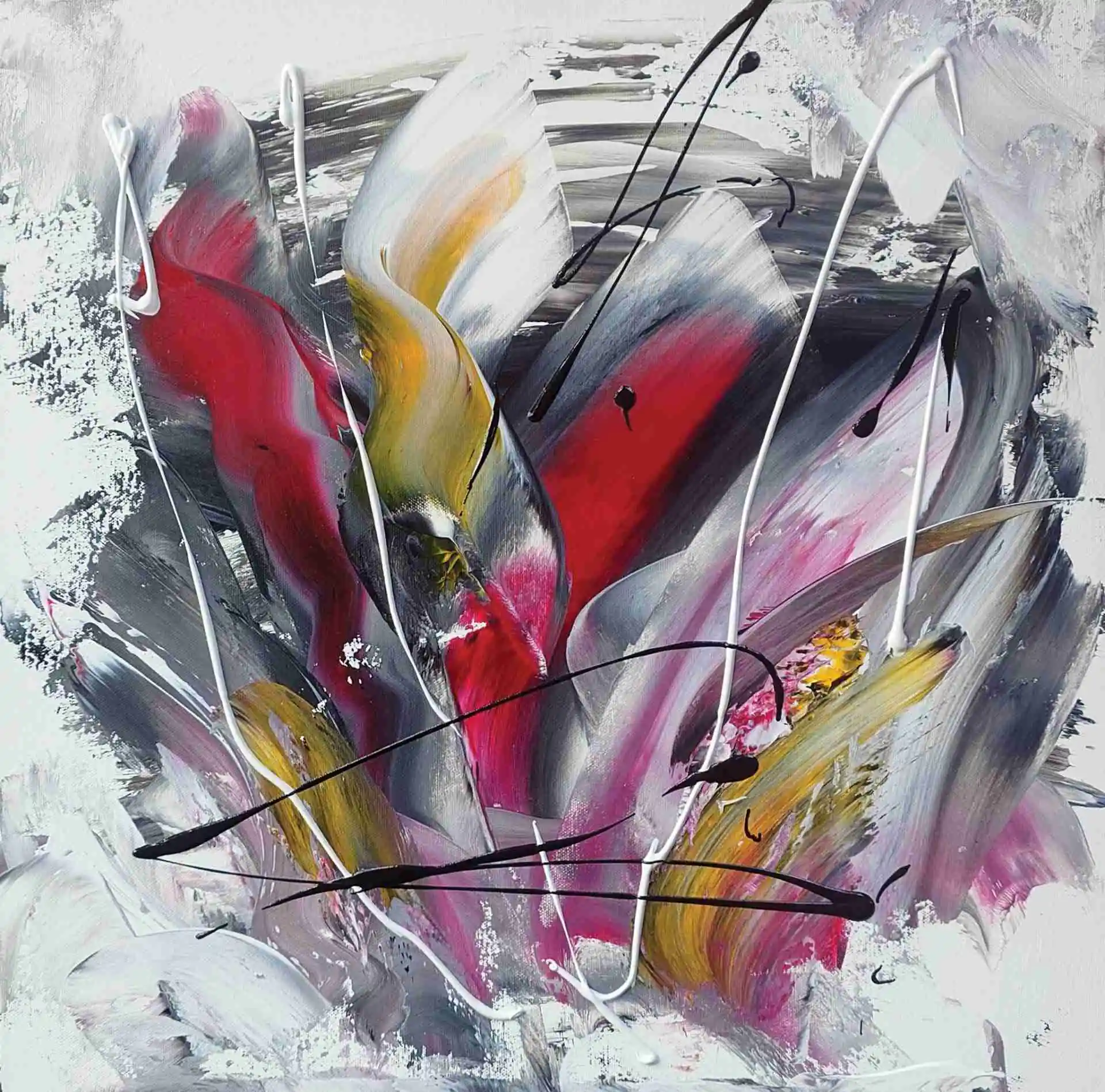
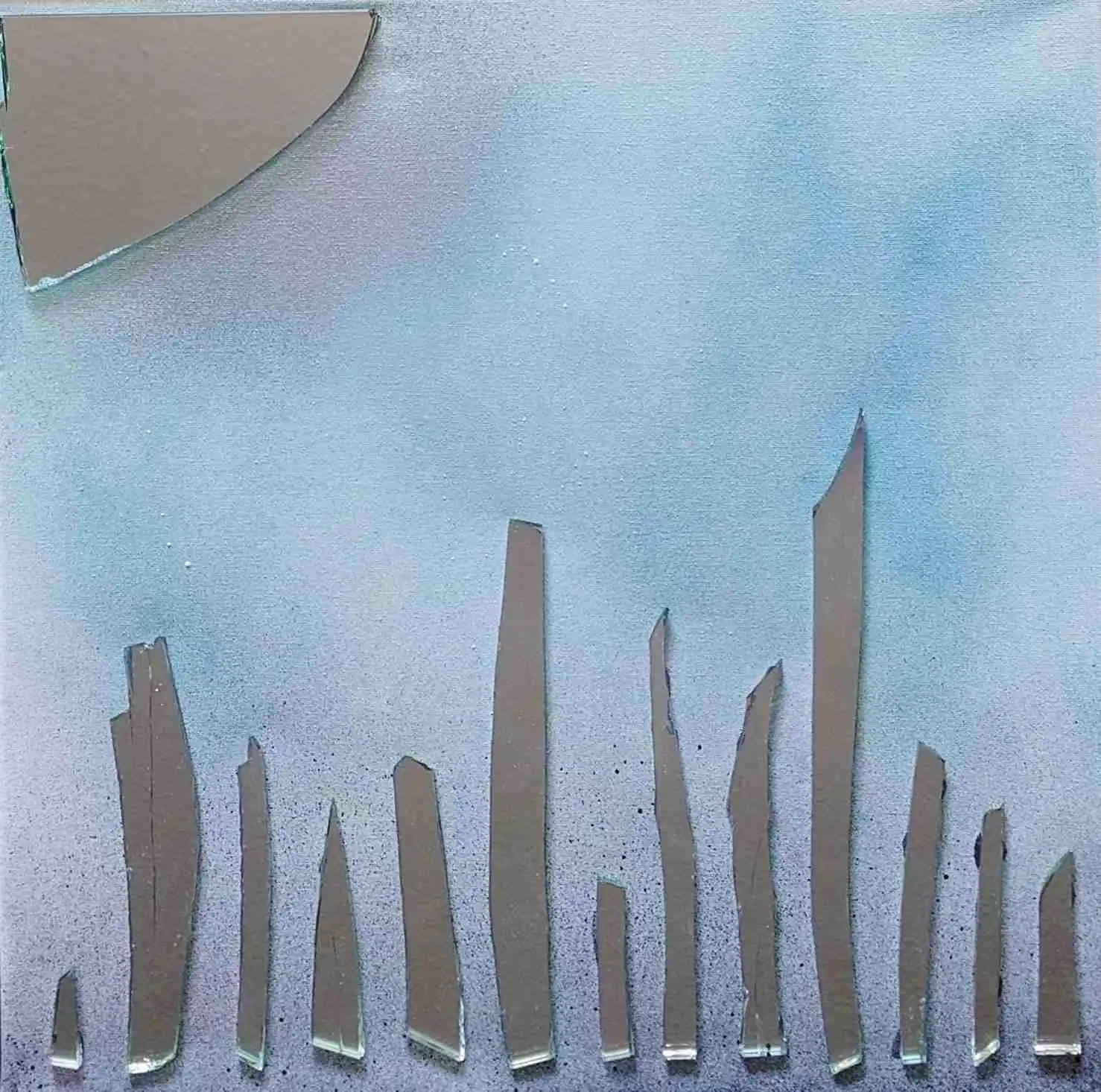
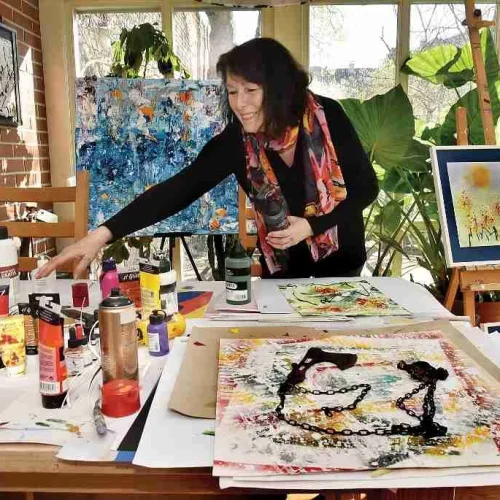
‚Art is a daughter of freedom‘ Friedrich Schiller Born near Nuremberg, Germany, Petra Dippold-Goetz grew up in the city of Albrecht Dürer, immersed in a rich artistic tradition. Although painting had always been a deep personal passion, it was not until 2014 that she chose to pursue it as her calling. One winter evening, she discovered a lifeless white dove in her garden—its blood and feathers scattered in the snow. This haunting moment marked a turning point: from that day onwards, art became her way of processing emotion, questioning the world, and engaging with it more deeply. She went on to study Fine Art at the Faber-Castell Academy from 2014 to 2018, refining her technical skills whilst exploring a raw, intuitive visual language. Her work is inspired by visits to museums across Europe and influenced by Informal Art, particularly artists such as Emil Schumacher, Anselm Kiefer, Jackson Pollock and Franz Kline. Petra’s expressive paintings blend gestural abstraction with natural and industrial materials. She works in acrylic and oil, often incorporating sand, wood, plastic or found objects—especially remnants of human consumption. Her fascination with transformation and the creation of meaning through discarded materials has led to her participation in several Trash Art Festivals, where she also runs workshops on turning waste into art. Some of her works are vibrant celebrations of life and beauty. Others convey urgent socio-political messages, addressing ecological destruction, species extinction and unsustainable consumption. "I see myself as an artist-activist," she says, "wielding my brush not only to adorn the canvas but to awaken the soul." Petra Dippold-Goetz has exhibited in major art cities such as Vienna, Paris, Barcelona, New York and Tokyo. Her works form part of collections across Europe, the USA, Singapore and Japan. She has received several honours, including the Faces of Peace, Voices of Tomorrow and Global Art Virtuoso art prizes. Her artistic mission is both poetic and purposeful: to touch hearts, to challenge assumptions, and to awaken reason and compassion. In a global context marked by ecological and social crises, her art becomes a call—to delight in the beauty of our world and to take responsibility for preserving it. Each of her works is a “daughter of freedom”: liberated by purpose, yet bound by a deep commitment to insight and care.