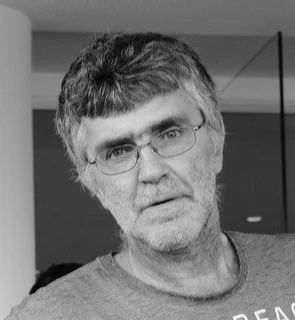
Vienna, Austria
Harald WIESNER
Harald Wiesner's airbrush technique, hovering between geometric abstractionism and metaphysical realism. In the course of the history of modern...
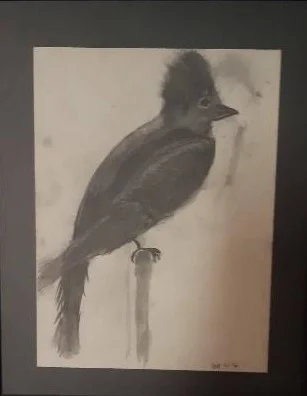
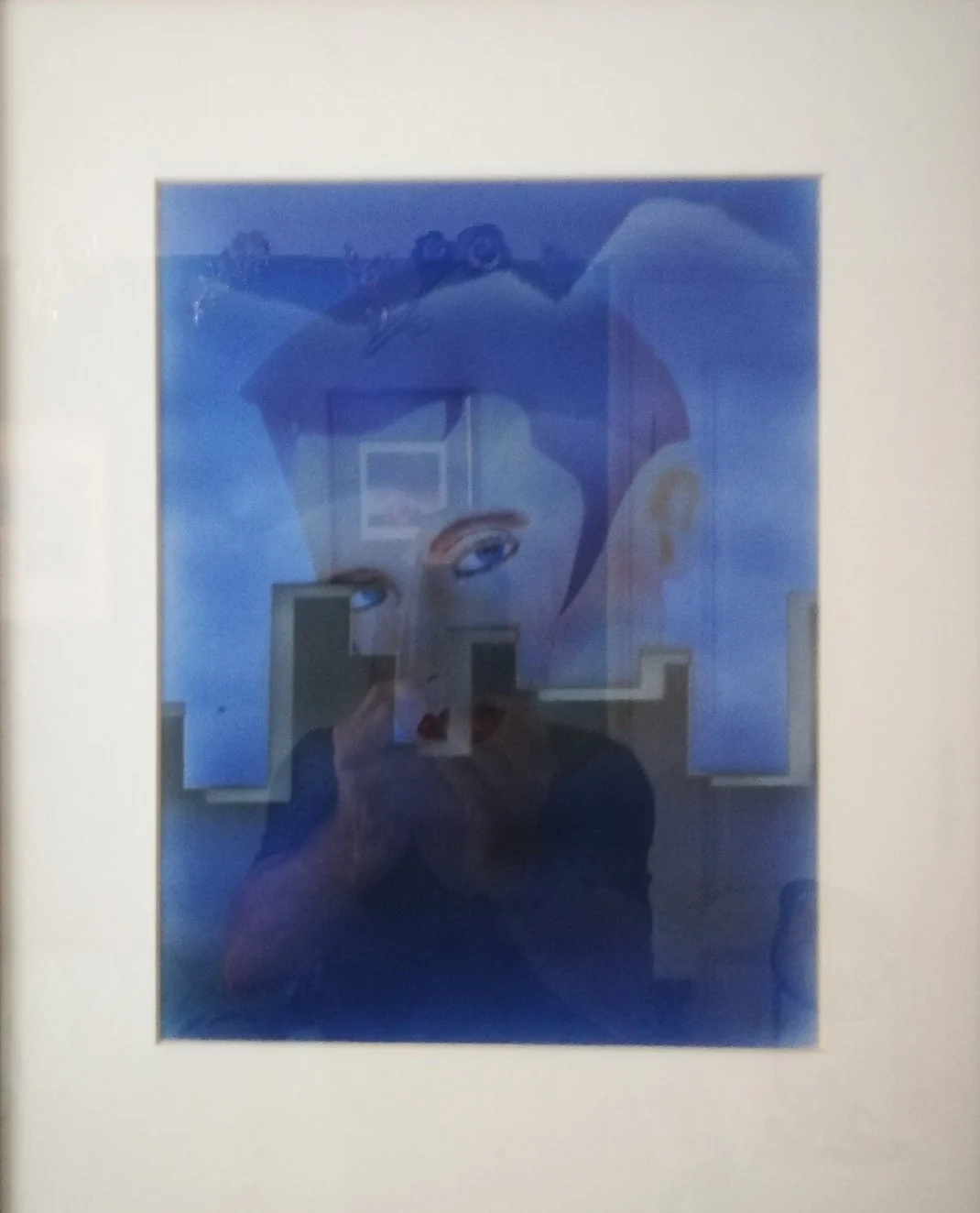
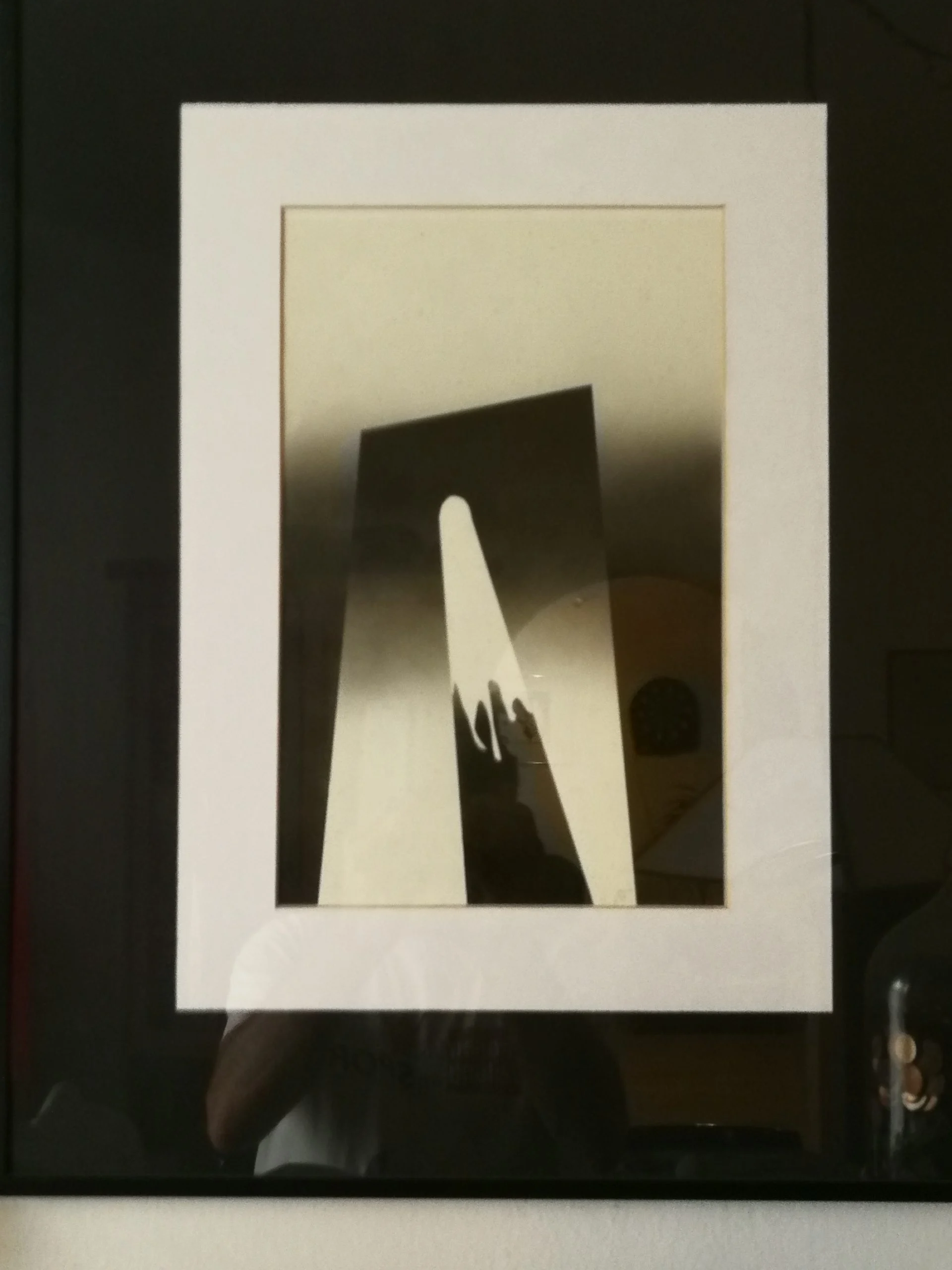
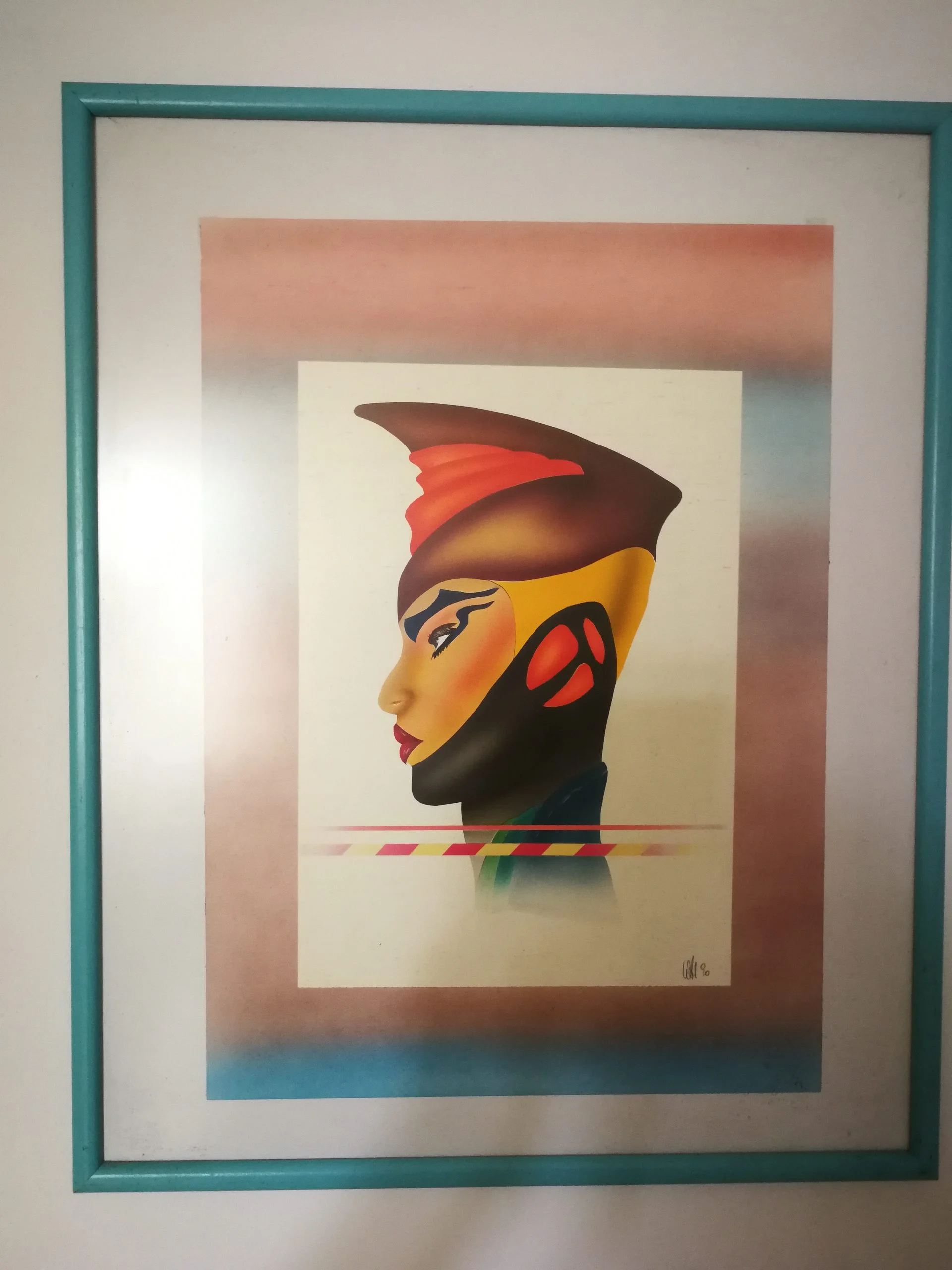
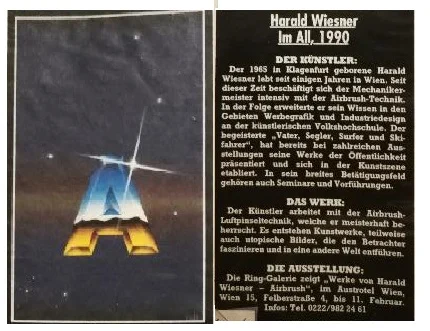

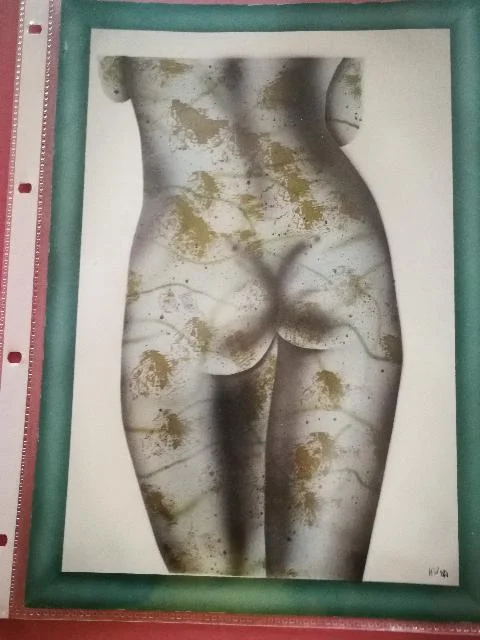
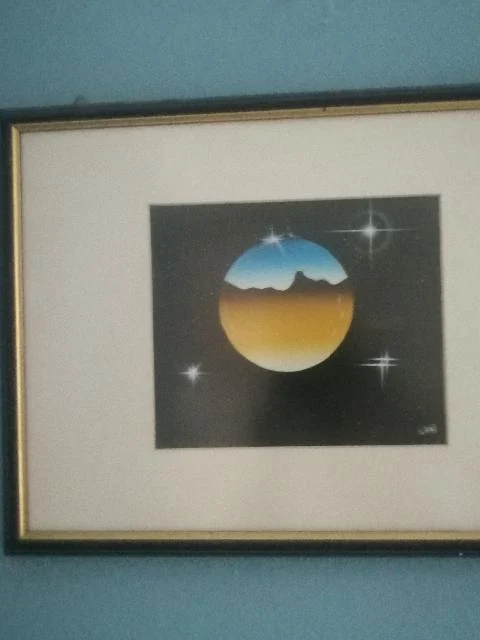
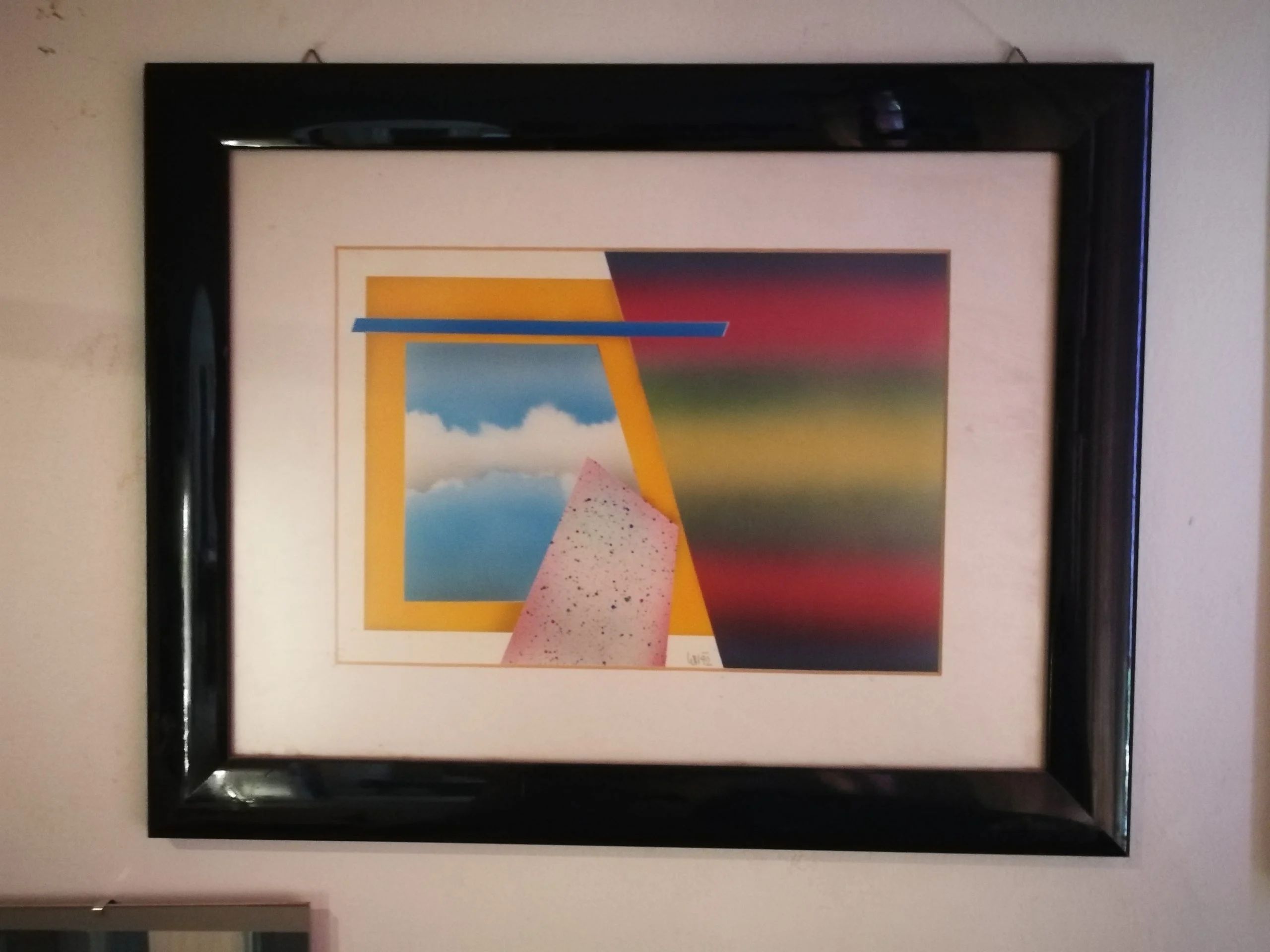
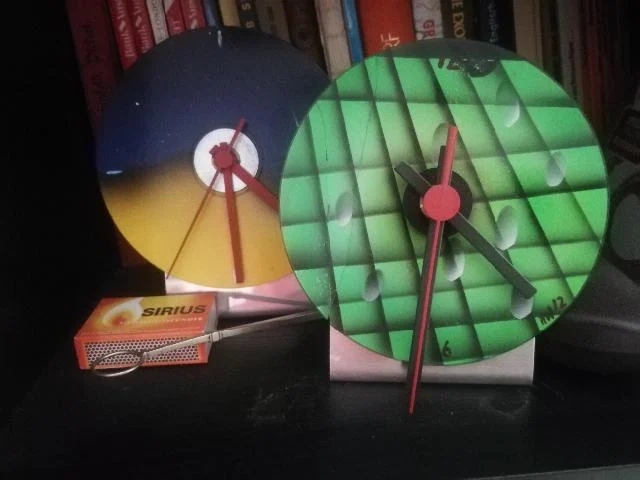


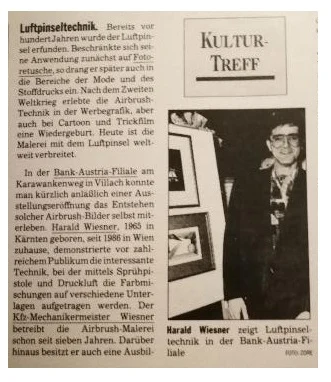
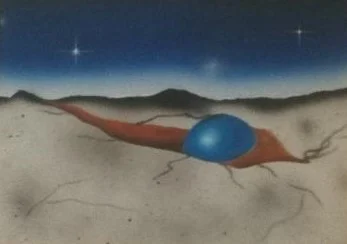
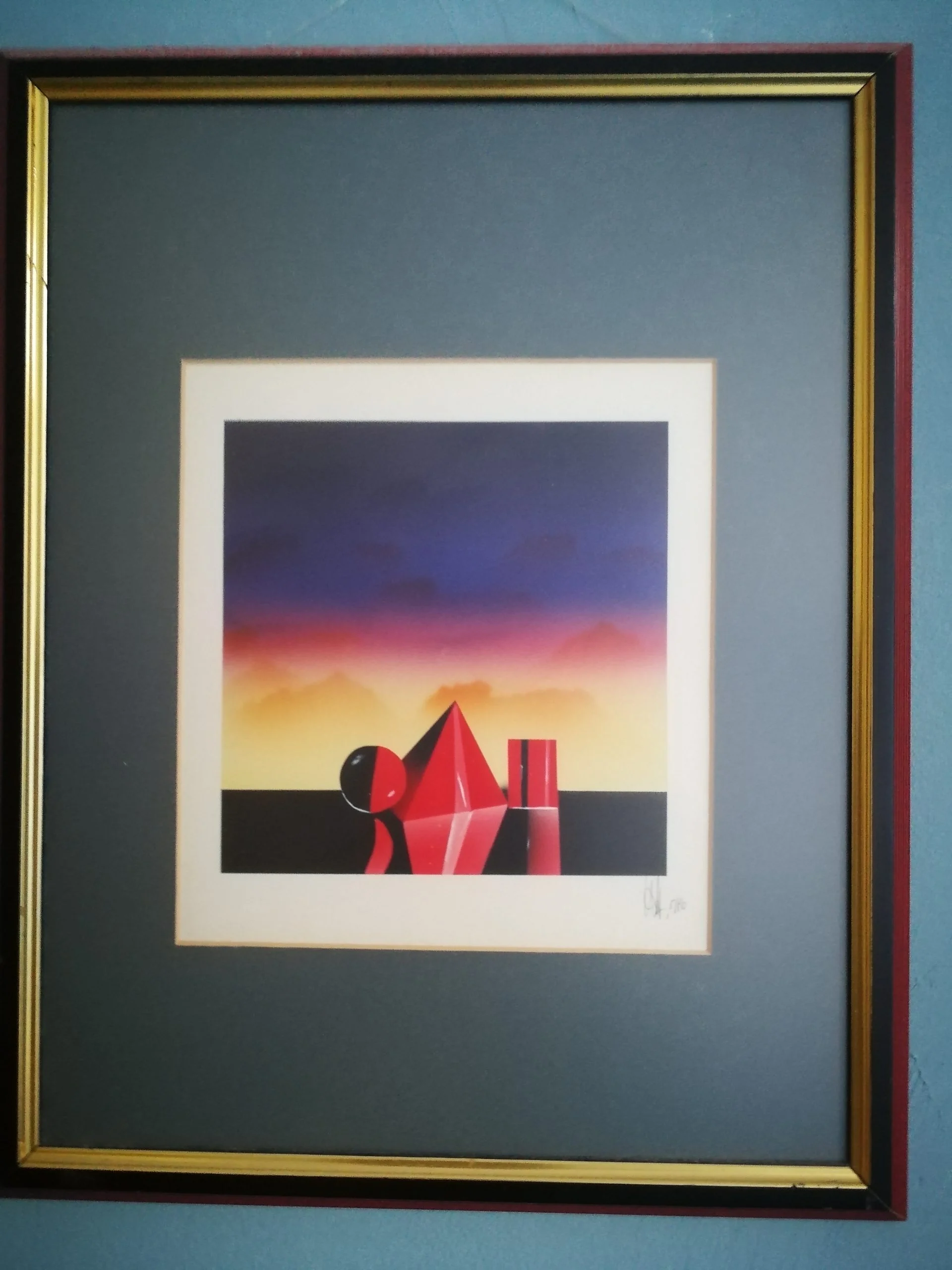
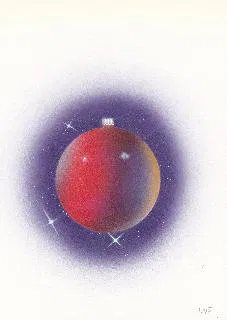
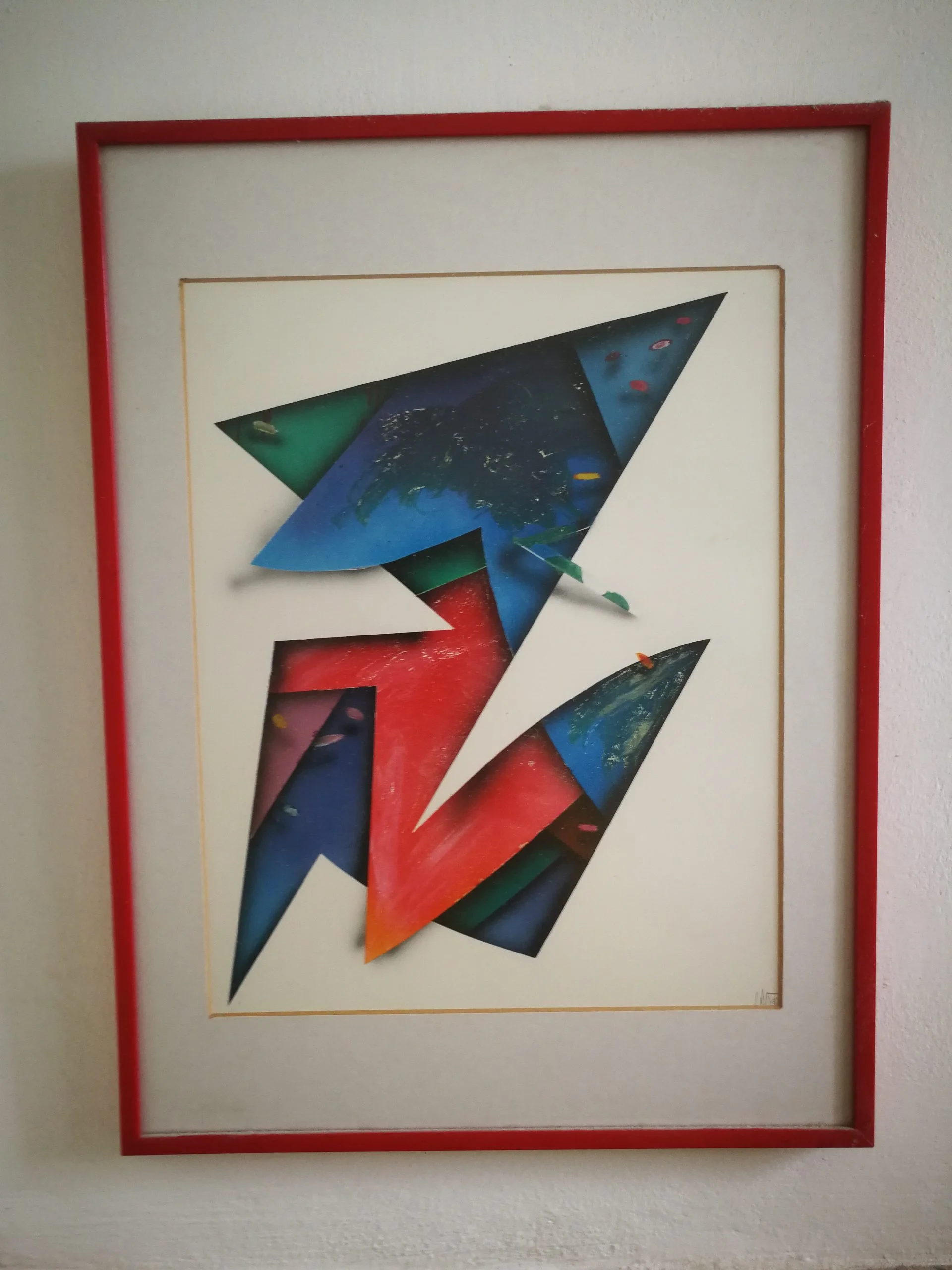
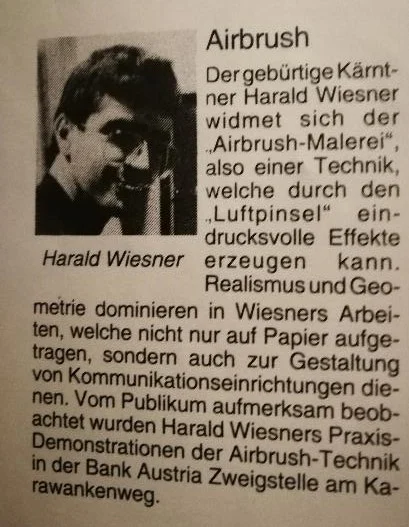
Harald Wiesner's airbrush technique, hovering between geometric abstractionism and metaphysical realism. Throughout the history of modern art, artistic techniques have been discovered that have revolutionised the creative process and which, combined with urgent expressive innovations, have given rise to new languages based on the natural inclination of each artist. Today's protagonist has based his entire production on a particular pictorial approach that has become one of the cornerstones of a series of subsequent artistic currents. Airbrushing is a painting method that has probably been used since distant, primitive times, when cave paintings often showed handprints surrounded by reddish pigments. Obviously the technique was rudimentary and a long way from being refined and expanded in the mid-1950s when some artists began experimenting with air painting on a variety of surfaces. Originally developed as an industrial technique for quickly colouring large surfaces and car bodies airbrushing was soon used to add colour to black and white photographs, the period before the discovery of the colour technique became increasingly interesting in the experimental art world of the late 19th and early 20th centuries. But it was not until Pop Art and American Photorealism that it was considered an art form or part of the creative process by some artists of the time. From wall to paper, from wood to metal, from leather to textile, spray painting fascinated many exponents not only of Pop Art and Photorealism, but also of the and photorealism, but also hyperrealism and later contemporary street art. The complicated process involves not only creating protective films around the outline of the desired image, but also applying the colour evenly and masterfully handling the spray mist of the air gun that is fundamental to this technique. The protective films were the ancestors of the stencils created by street artists who, given the transgressiveness of their way of making art, needed a quick execution to avoid being caught in the act. The apparent The apparent simplicity of execution goes hand in hand with a high level of graphic skill, an essential basis for the final design of the artwork, and the ability to dose the colour so that the layers overlap without completely covering the underlying ones, creating three-dimensional and captivating images. This technique is often used in graphic design and advertising and is a complement to a more classical, manual style of painting that does not disdain the innovation and completeness of a glossier finish with opaque or acrylic colours. The Austrian artist Harald Wiesner was a pioneer of this technique in the 1980s, a master who managed to combine his passion for Geometric Abstractionism, in which metaphysical Wiesner succeeded in combining his passion for geometric abstractionism, in which metaphysical tonal notations often appear, with the technique of aeorgraphy; his ability to use the air jet both amazes and fascinates the viewer, who is drawn into the concepts of the works. All strictly on paper, Wiesner's paintings seem to be an analysis of modern life, the balance between reality and the imaginary, between pragmatism and dreams, which enveloped the man of the late twentieth century as much as those of the twenty-first, constantly poised between form and substance, between the penchant for beauty and the latent question of how much aesthetics is enough if it contains no substance. Harald Wiesner, not only an artist but also an author of communication and industrial design projects, is one of Austria's leading airbrushers, known and appreciated abroad for his mysterious and metaphysical works of art. Throughout his career, he has created paintings of great impact, capable of stimulating the mind and reflection of the viewer, who feels enveloped by the mystery of the artist's images. In Red Elements, he places three geometric figures in lacquer red at the centre of the composition, contrasting their severity and the sharp colour that distinguishes them from the more airy, shaded background, as if he wanted in some way to emphasise the connection with everything that is rigid, in the face of everything that is subject to schematic rules, is in reality only an apparent hold, a desire to cling to certainties that do not exist in external reality; T he volatility of the sky tells the viewer that chaos is an overbearing and constant part of everyday life, shuffling the cards and undermining the order that the individual clings to in order not to be destabilised. Red stands for determination and also for the mystery hidden behind the appearance of prefabricated, mathematical concepts that are not realised in reality. In Landing, Wiesner tells of an undefined place, a place between heaven and earth, between fantasy and tangibility, where the cracks that furrow the lunar landscape appear like a metaphor for suffering, those indelible traces that envelop the interior and that often cannot be alleviated or erased, even when a soft element like the blue hemisphere appears as a gift, a chance to leave these scars behind and start anew from this unexpected starting point; or on the contrary, the cracks mark the dry ground that envelops the interior of those who cannot let go of the events, even though they come strong and incisive, so that in this case the hemisphere wants to nourish the dryness of the ground to offer a new possibility of regeneration through the reception of a new point of view, a gentler and empathic approach that dissolves the previously manifested emotional closure and, for this reason, enriches it. In Verwirrung, the artist composes a superimposition of colours and colours and materials to represent the layering of life, from all the events that follow one another and completely change the pre-existing reality that formed a secure base, a solid point that can give stability, which is then completely destroyed by what happens next. completely destroyed by what happens next. The sedimentation that follows creates instability and confusion, but is at the same time necessary for personal evolution, for the awareness of one's own strengths and abilities to react and emerge from the chaos in order to build a new order. In Clouds, on the other hand, Harald Wiesner dispenses with geometric rigour and takes a more figurative and decidedly softer approach, almost as if he wanted to suggest to the viewer how important an open and flexible attitude towards a unique and unrepeatable existence is and should therefore not be modelled on should therefore not be lived according to a single prefabricated and pre-planned path, but it would be much better to gently abandon oneself to the flow of events without losing one's balance. The chameleon-like ability to adapt to what happens is not a weakness, on the contrary a strength that leads us not to invest energy in rigid resistance, but to use it to circumvent obstacles and find a new path to resurrection. Over the course of his long career, the experienced artist Harald Wiesner has Harald Wiesner has participated in many group and solo exhibitions throughout his long career and is internationally renowned for his mastery of the technique that characterises his entire oeuvre